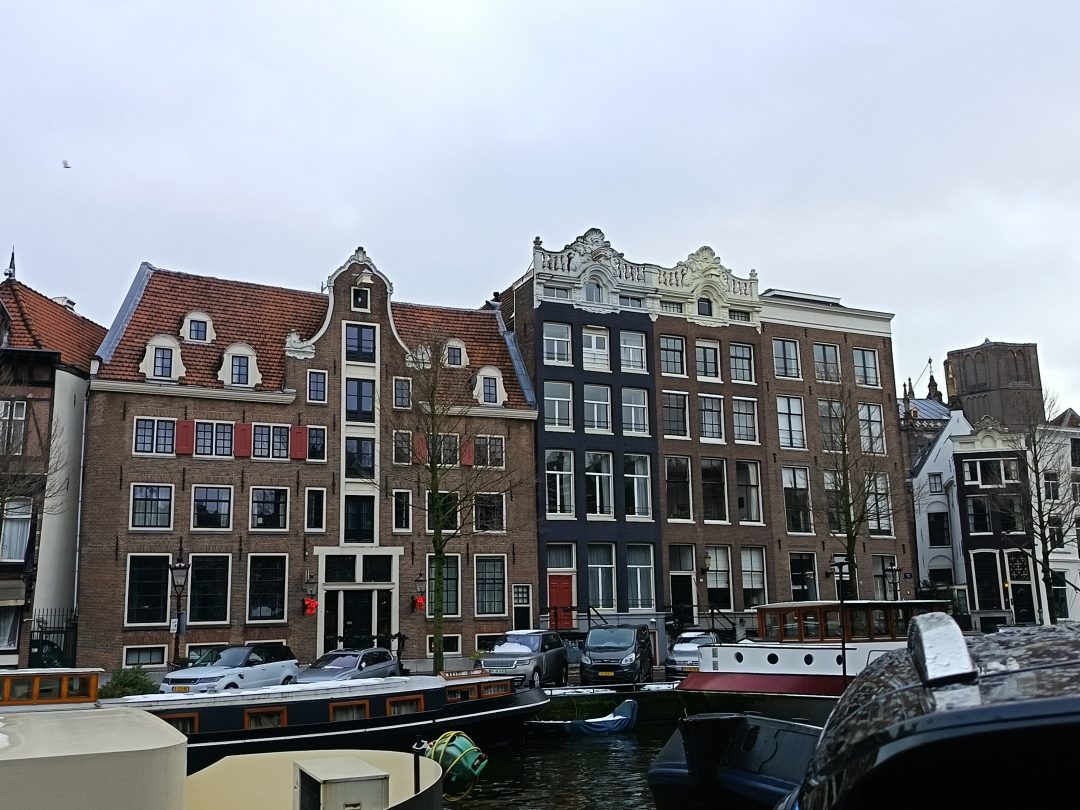
If you’re looking to fly less or just want a slower pace of travel to and from the UK, you might have considered the ferry. While popular ferry ports are in Portsmouth, Plymouth, Harwich, and Dover, there are also ferry options in the North of England, which are easily accessible by train. One such route is the DFDS Newcastle to Amsterdam ferry.
I took this ferry in January as a foot passenger, and it was my first time doing a major overnight ferry. I’d done the Dublin ferry overnight, but considering that’s only three and a half hours, it doesn’t really count. So, with that in mind, here’s my honest review of the DFDS Newcastle to Amsterdam ferry.
About the Newcastle to Amsterdam ferry
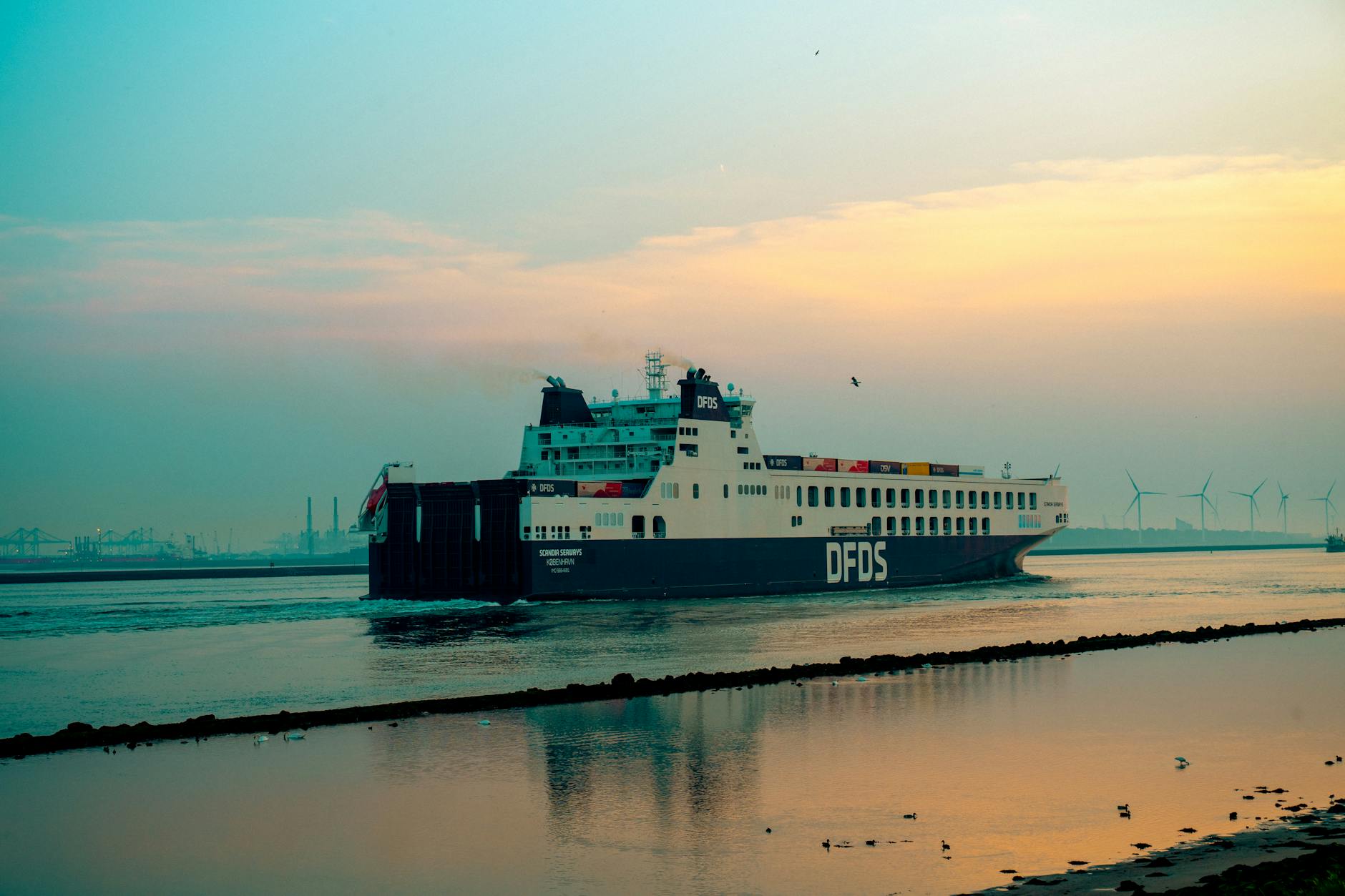
First things first, here are a few things to note about the Newcastle to Amsterdam ferry. In total, the sailing takes between 15 hours 45 minutes and 17 hours, depending on the sailing. Usually, it leaves at 5pm from North Shields near Newcastle and arrives at 9.30am in Ijmuiden near Amsterdam. So, there’s plenty of time to get a full night’s rest.
You can opt to walk on as a foot passenger or bring your own car. However, all tickets include a room. They may be small and basic, but they do the job. This is different to the Dublin ferries from Holyhead, where even on overnight routes, you can just sleep on the sofa benches in the communal areas to save money on a room.
The ferry runs all year round across the North Sea, but of course, as this can be a very rough patch of water, routes can be delayed or cancelled, especially during the winter months. It’s also important to note that technically, this route goes from North Shields to Ijmuiden, both of which are a short distance outside Newcastle and Amsterdam, respectively.
The DFDS website
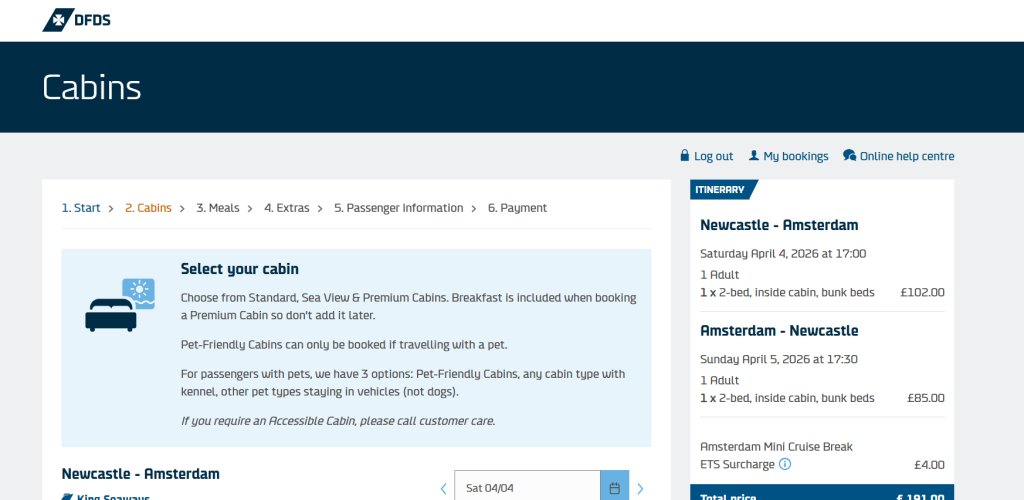
Overall, the DFDS website is pretty good for searching routes and booking passage. You can easily select your dates, and then choose from no vehicle, bicycle, or a range of vehicle types. It would be good to see a month view to see the best prices, but the functionality for searching is pretty good.
Next, you select your cabin option. It lists all the ones available based on how many people you selected in the first stage. To see the rooms, just click on the ‘i’ icon next to the cabin description. You can then book any onboard meals in advance and any bus transfers between the ports and the city centres.
All in all, it’s a decent enough website that’s speedy to use and intuitive in the booking process. Everything is pretty clear, which is exactly what you want.
The DFDS app
As with every company nowadays, DFDS has its own app that’s available on Apple and Android. It’s pretty basic, but it has your bookings, information about your ship, routes, and an inbox for any updates or messages from DFDS.
In the routes section, you can also see live travel updates across the whole DFDS network, which is a great addition. It’s a decent little app for on the go, but it’s specifically for the post-booking part of the journey. You can technically book through the app and search in the routes section, but it’s not as user-friendly as the website.
Getting to the port
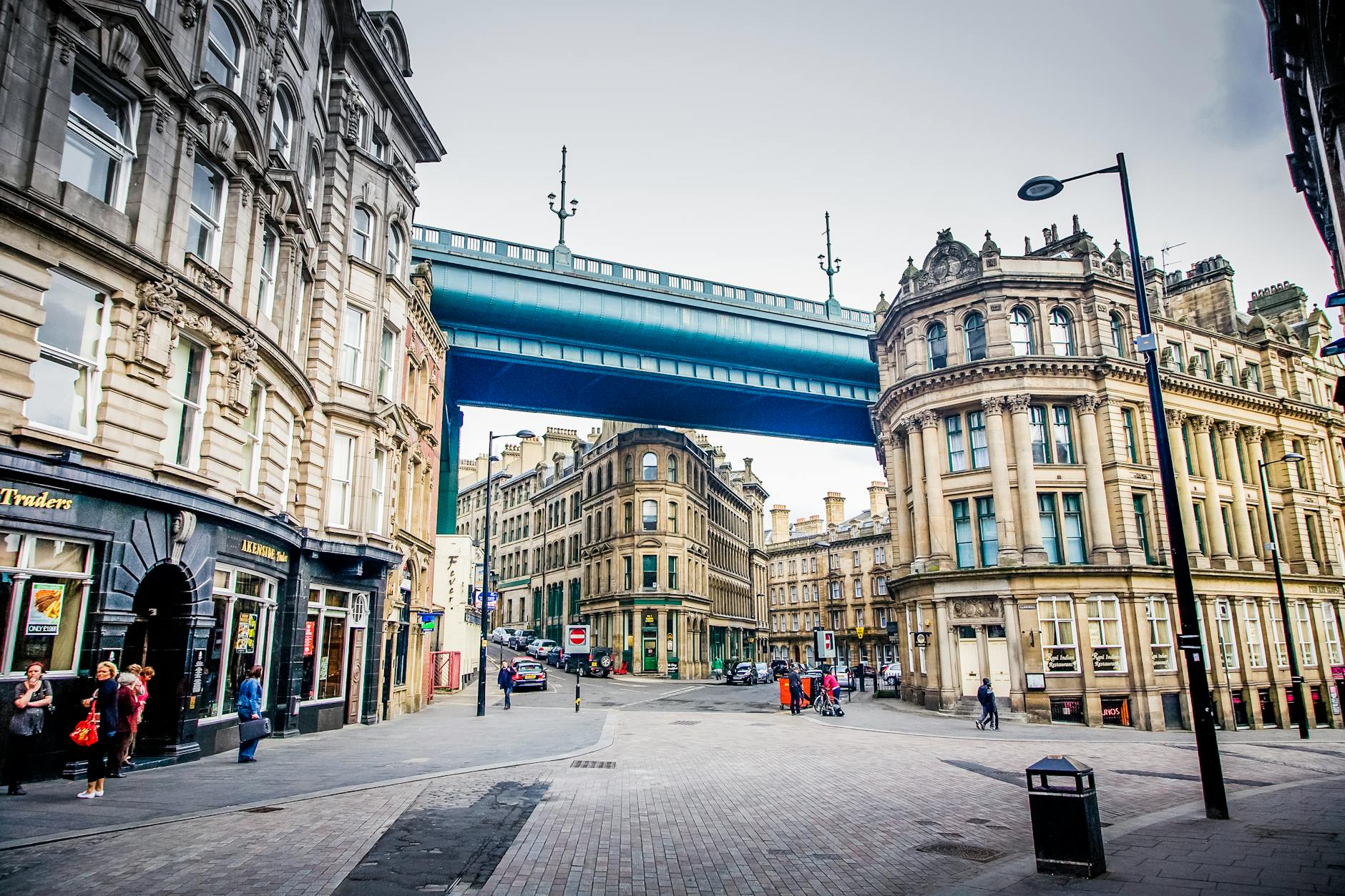
One of the things I really liked about DFDS is the connections from the city centres to the ports. When you arrive in Newcastle by train, you only have to walk around the corner to find the dedicated ferry bus. This is usually at 2.30pm for the 5pm sailing. From Newcastle city centre to the port in North Shields, it’s eight miles, which is 20 minutes in a taxi, 45 minutes on public transport or about 30 minutes by this dedicated bus.
The transfer costs £7 per person, and the queue can get very busy. It takes a while to load up the double-decker bus, so be patient and have your reservation ready on the app or on your phone. This needs to be bought online when you buy your passage, or you can add it on later in the app. You cannot buy tickets from the driver.
Checking In
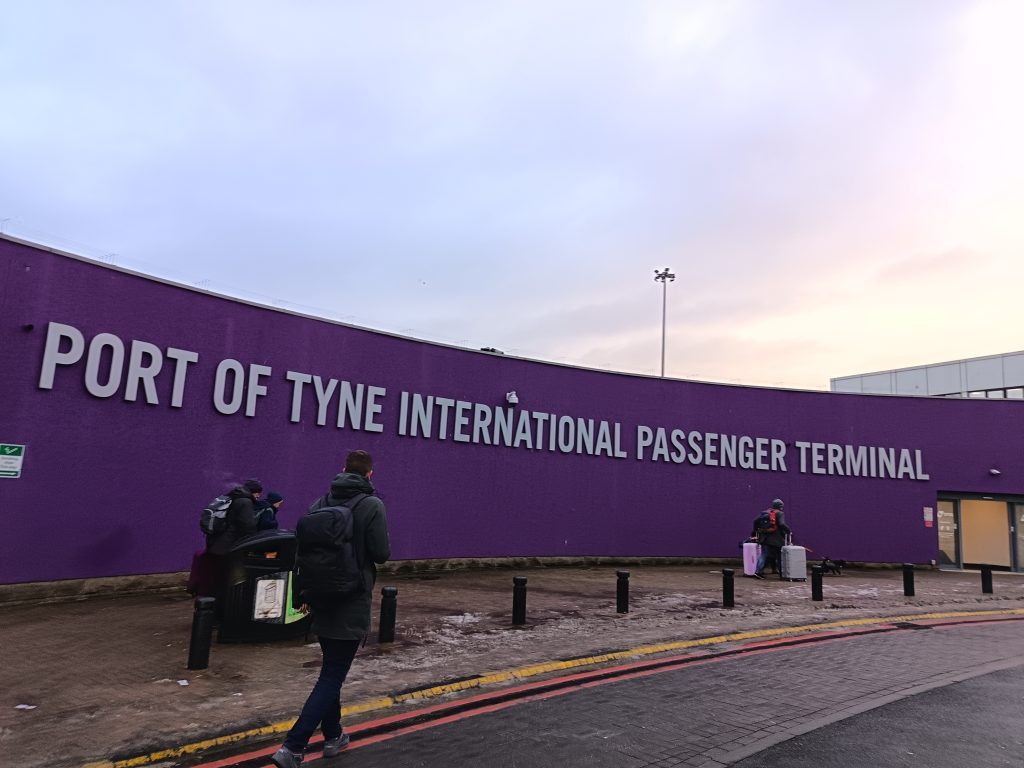
When you get to the ferry port in North Shields, you’ll need to check in at the desk. The queues can be quite big, so get it done as soon as you arrive. You’ll show the desk agents your confirmation, and they’ll give you your room key and deck information. Make sure you check the queue you’re in, as there is usually at least one that’s dedicated to freight and lorry drivers.
The key is actually a piece of cardboard, like a train ticket, but it’s so important to hold onto it. Not only is it your room key, but it’s also your confirmation for any pre-purchased meals as well. Once you’ve checked in, you can relax in the waiting area.
Once boarding opens, you can join another queue that takes you through airport-style security. This doesn’t take long at all, and then it’s a short walk to the ship. Note that boarding is usually closed half an hour before sailing.
Onboard experience
So, what’s it like once you’re on board the DFDS ferry? Touted as a “mini cruise”, there’s a lot to enjoy and a range of eateries during the 16-hour crossing, but how do they measure up?
The cabin
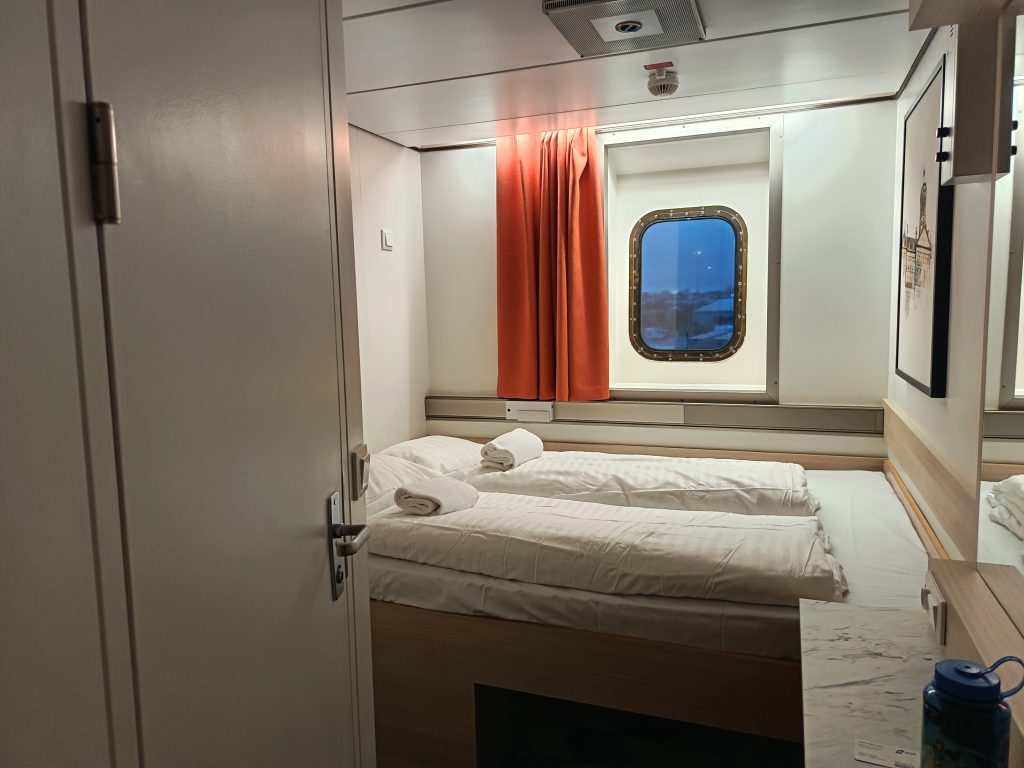
I was in a relatively small double cabin, which was extremely cosy. The bed did the job, and I appreciated the small porthole window as we pulled into Ijmuiden. Much like the rest of the room, the bathroom was small. The toilet felt like it was partially in the shower, which was a new one for me.
I was travelling solo, so this was completely fine for me and my large backpack. However, if there were two of us and two cases, then we’d probably be tripping over stuff to get in and out of the room.
The food
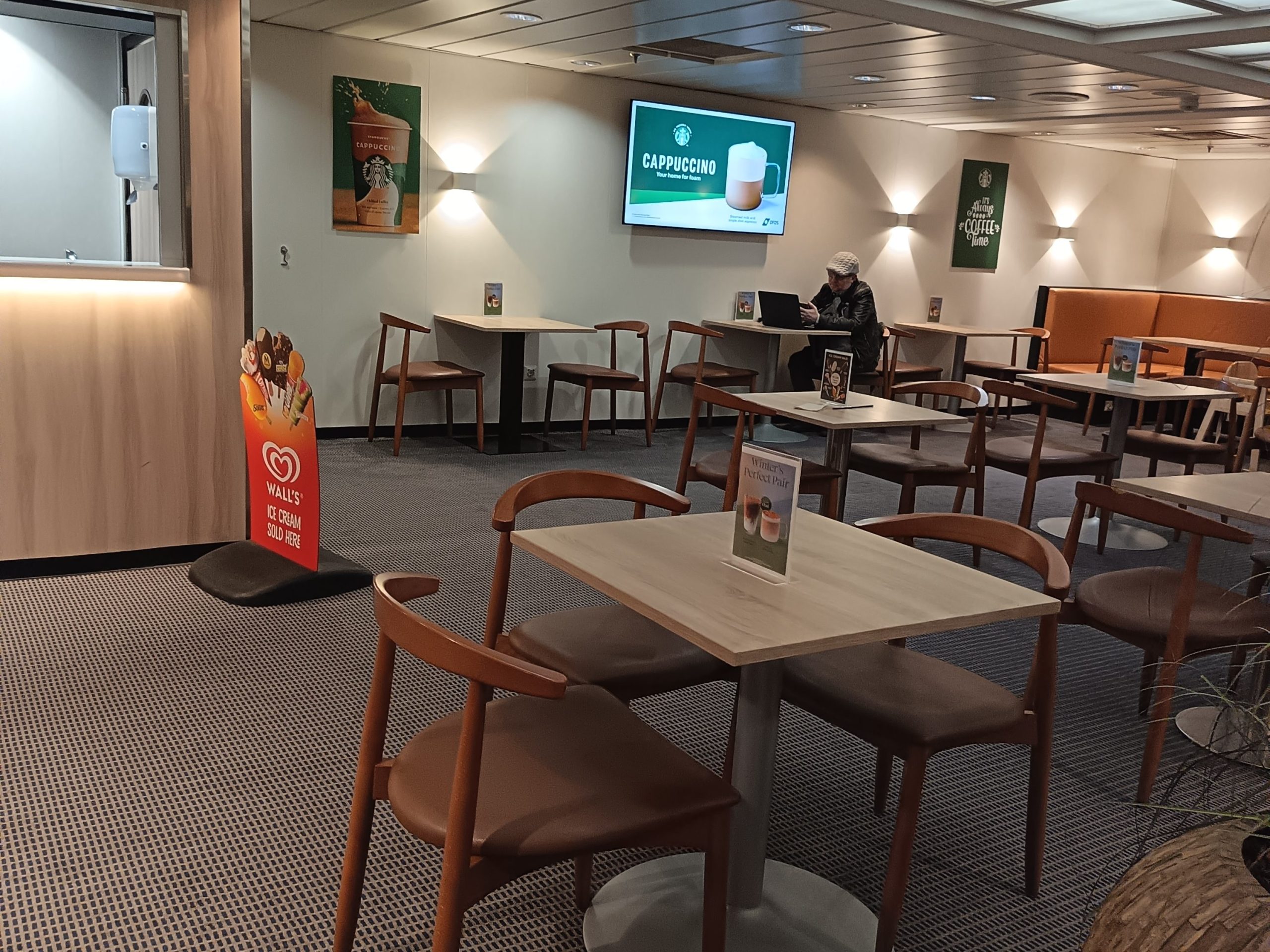
There are three main places to get food on board. A buffet restaurant, an a la carte restaurant, and a Starbucks. For the first two, you need to book a table in advance when you book your passage or before you travel, using the app. You’ll get a time slot that you need to stick to. Be aware that as soon as you get on the boat, everything switches to CET, so think one hour ahead!
The costs are:
- Dinner buffet: £25.75
- A la carte 2-courses: £38.50
- A la carte 3-courses: £44.50
- Buffet breakfast £12.99
I had the buffet options both ways, and the dinner was an international buffet which was a long list of beige and bland options. It’s not the height of cuisine, but it’s warm, filling, and you can go back up as much as you like.
The breakfast buffet was pretty decent with a good mix of hot food, pastries, cereals, and breads, so much like your standard hotel breakfast.
You can bring your own food onboard but you have to eat it in your cabin. As small as my cabin was, I’m glad I opted for the buffet.
The bar

Onboard, you’ll find a bar and a nightclub. I was fully ready to get ripped off at the bar, but that wasn’t the case at all. I asked the price of a pint of beer and a glass of large house wine, and they were the same price at £6, so naturally I opted for the wine.
While £6 for a pint of beer certainly isn’t cheap, it’s not as expensive as the airlines or some of the city centre prices across the UK and Western Europe.
Onboard attractions
While onboard, you can opt to pay extra to visit the ship cinema with some of the latest releases or shop in the large duty free. There was a sizeable clothing section which was cool to see as well. There’s also a wildlife spotting area and some informational posters about what you might see, but this is more for the summer months when it’s not dark at 4pm.
Prices
Prices for a foot passenger start at £69pp one-way. Of course, this operates on the fact that you’re sharing a room with someone else. To bring a standard car on board costs from £174. You then need to add the passenger on separately.
While budget airlines are cheaper, remember that you’re not limited by luggage at all. If you don’t travel light, this could be a good way to get around those Ryanair baggage surcharges.
Even though the price of wine was very reasonable, the food was expensive for what it was. While you can get value for money with multiple buffet trips, the food wasn’t great. Perhaps the a la carte would’ve been a better option or the Starbucks!
Arriving in Ijmuiden
Once you dock in Ijmuiden, the tannoy informs different car deck passengers to get down to the lower floors first before telling the foot passengers where to go. You then have to go through passport control, which took around an hour in total because our ship was full and new EU border rules had just come into effect.
Getting to Amsterdam
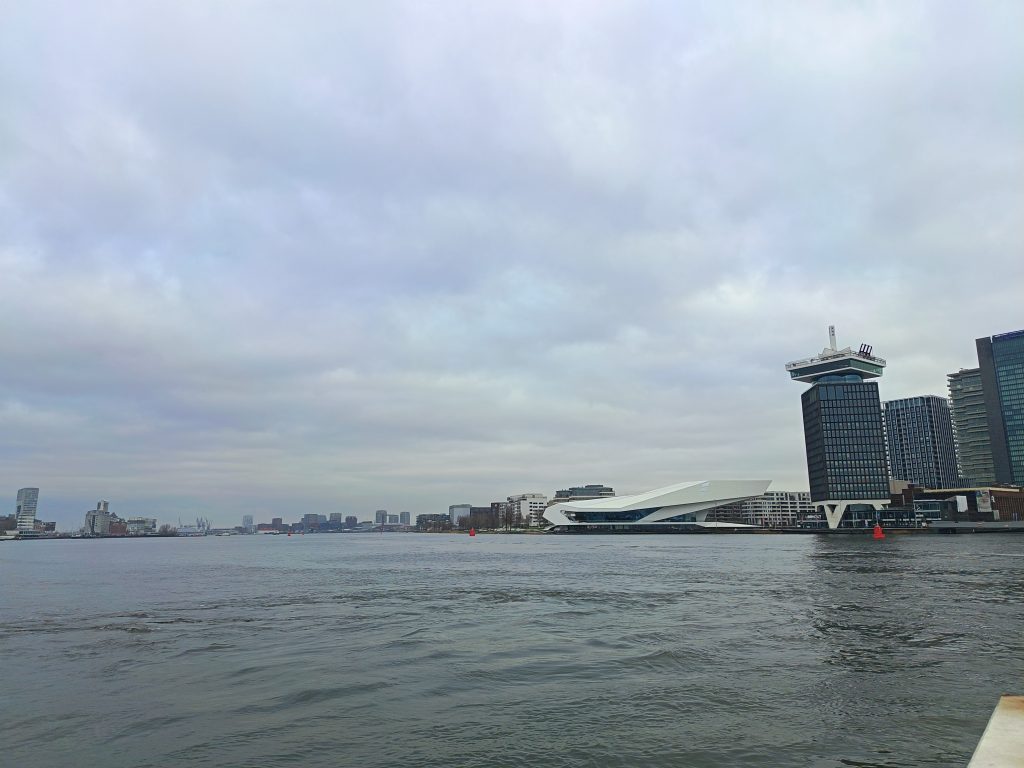
After clearing passport control, you hop on another bus to Amsterdam city centre. This costs £9 and lasts just under an hour. You get dropped off right by Amsterdam Centraal train station, which is perfect for getting the free city ferries to the north of the city, or exploring central Amsterdam.
If you’re looking for somewhere fantastic to stay in Amsterdam that’s affordable with a bit of fun, check out Bunk Hotel. It’s a quick free ferry and a walk from Centraal and has a metro line close. It’s also close to a fun brewery and sauna, which is always a big bonus.
Overall honest review of DFDS Newcastle to Amsterdam ferry
Overall, if you’re looking to fly less and live in the North of England or in Scotland, the DFDS Newcastle to Amsterdam is a great option for getting across to the continent. It was certainly a rough passage in early January, but the beds are comfy, and you wake up rested and ready for a day in the Netherlands or for onward travel.
It’s definitely not the cheapest option, so I wouldn’t say this is a budget-friendly alternative, especially if you’re travelling solo or can pack light anyway. There aren’t single-person rooms that I could see online, so you do suffer the single supplement penalty of having to book a full two-person room.
I really appreciate the inclusion and thought of having city-to-city transfers for just £16 in total one-way. It takes the thought out of having to get from the port, as public transport is normally not great out to ferry terminals.

It’s really helpful to hear your comparison between the DFDS ferry and shorter trips like the Dublin route—it highlights how much more planning goes into longer overnight journeys. Your insights on the timing and cabins make me appreciate the slower pace of travel as a real option.
Good to know the North England ferry routes are a viable alternative to the usual Dover crossing — did the crossing time make it worth skipping a flight, or was it more about the slower pace of travel?
It was more about the slower pace – at 15 hours versus a one-hour flight, it’s definitely slow! Cost-wise it probably breaks even if you need to add luggage to a budget flight and are sharing a cabin with a friend. Obviously worth it if you need a car or prefer not to fly!
Good honest take — most ferry reviews either oversell the romance of slow travel or focus purely on the discount versus flying, but you covered the practical bits like cabin comfort and boarding logistics that actually matter on the day. Newcastle to Amsterdam is a route I hadn’t considered as an alternative to flying. Thanks for the detailed breakdown.
Really honest review — most ferry write-ups gloss over the cabin noise and food quality, so appreciate the specifics here. Good to know the slower pace is worth it if you’re trying to avoid flying.
Doing the overnight Newcastle to Amsterdam route as a foot passenger is a bold first attempt at a longer ferry crossing compared to the short Dublin hop — three and a half hours barely counts as a warm-up by comparison. The North of England departure point is the detail that usually gets overlooked since everyone defaults to Dover or Portsmouth without realizing there’s a train-accessible option further north. Would love to hear how the cabin setup compared to what you were expecting for an overnight sailing.
I’ve done the Holyhead to Dublin hop and the cabins were definitely bigger, however, basically no one uses them other than the truckers for the three hours you’re onboard. It’s not really worth the extra expense. On the Newcastle route, the cabin was definitely smaller than I thought, but it was serviceable for one person – I wouldn’t want to have tried to fit two people and two sets of luggage in the room I was in.
An overnight ferry as a foot passenger is such an underrated way to do this route — skipping Dover/Portsmouth traffic and getting the slower pace you mentioned sounds like a genuinely relaxing alternative to flying. Would love to hear how the cabin comfort compared to what you expected going in.
This is exactly the honest review I was looking for! Most ferry write-ups gloss over the cabin noise and dining queue situation. Your note about booking early for a sea-view cabin is going straight into my travel notes. The overnight route really does seem like a smart way to save on accommodation.
The overnight ferry option is so underutilized as a way to travel between the UK and the continent. The cabin comfort details and onboard food options are exactly what I needed to make the call. Really useful honest take.
Really thorough and honest ferry review! The detailed breakdown of cabin quality, food options, and onboard entertainment is exactly what travelers need when deciding between the ferry and flying. The overnight crossing aspect makes it such a practical option for budget-conscious UK-to-Netherlands trips. Thanks for the candid assessment of both the pros and cons.
I’ve been weighing up the Newcastle to Amsterdam ferry as a way to cut down on short flights, so the slow travel angle was really useful. It’s helpful to read an honest take rather than just the usual “mini cruise” framing DFDS often gets.
Great honest review! I’m planning to take this route in October, and it’s really helpful to hear it as a first-time foot passenger. I’ll make sure to pre-book the port transfer bus now, thanks for the tip!
This is the review I searched for before my own Newcastle crossing — most write-ups skip the practical details like train links and onboard pacing. The honest tone about what’s great and what’s dated is refreshing; ferries get oversold as luxury cruising when they’re really a practical, scenic travel option.
We’re planning a similar trip this summer and this review was super helpful – especially the bit about all tickets including a room, as I’d assumed we’d be able to skip that. The January timing sounds chilly but cosy on board. Did you find the onboard food worth it or worth skipping? Curious if there are decent alternatives at the port. Thanks for sharing your experience!
Personally, as a veggie, I didn’t find the buffet dinner worth it, but if you bring stuff onboard, you have to eat it in your room. For breakfast, there’s a Starbucks onboard as a cheaper alternative.
The practical comparison with flying was especially helpful, particularly the point that every ticket includes a cabin and that the crossing is closer to an overnight journey than a short ferry hop. The details about port transfers, cabin size, and the vegetarian food options make it much easier to judge whether the slower route is worthwhile.
I traveled as a foot passenger on this route a few years ago, and your point about the ease of getting to the terminal by train really resonated with me—it made the whole experience far less stressful than driving. I’m curious if you found the January crossing noticeably rougher than the Dublin overnight, since that’s been my main hesitation about trying a longer North Sea trip. The detail about boarding times and how early you needed to arrive was especially helpful too.
Thanks so much! Yes I found the crossing a lot rougher than Dublin in December, so I stayed in my cabin more as walking around felt a bit perilous!
This review is so helpful for me! I’m planning this route for my trip next month, I didn’t know all tickets include a cabin already, that’s way better than trying to sleep on a public sofa. I’ll definitely book the port transfer bus in advance now based on your tip.
This is helpful because it separates the overnight ferry experience from the romantic idea of arriving in Amsterdam by sea. The practical details about Club Lounge access, meal prices, and the rough return crossing make the cost comparison much more realistic. I would also add cabin location to the booking checklist: on an overnight route, being farther from lifts and entertainment areas can matter as much as the cabin category. For anyone prone to motion sickness, knowing that the outbound and return conditions can differ so much is a useful reminder to pack medication even when the first leg is calm.
This overview provides a helpful breakdown of what to expect when taking an overnight ferry, particularly regarding cabin requirements and arrival logistics.
Your point about the included room making this different from the shorter Dublin ferry is especially useful. For a foot passenger, having a guaranteed private place to sleep seems to make the 15–17-hour crossing much more manageable, even if the cabin is basic. I’m curious how easy you found the train connection to North Shields with luggage, since that could significantly affect the overall convenience of flying less.
We did this crossing as foot passengers too, and the included cabin is what sold us on it — after watching Dublin-route travelers stake out sofa benches for the night, a proper bunk on a 16-hour sail feels like real luxury. Good callout about winter reliability; we sailed in March and got flat water, but the crew mentioned January delays are pretty routine. One tip that made it smoother: arriving early for foot-passenger boarding meant we were settled in the cabin well before departure.
Taking a ferry for a longer journey is an interesting alternative to flying. It provides a much more relaxed pace, and having an overnight room makes the long crossing across the North Sea seem quite manageable compared to shorter, more cramped ferry trips.
The Newcastle to Amsterdam route sounds like a useful alternative to flying, especially for travellers in northern England. I’d be interested to know how comfortable the overnight crossing was and whether the slower pace made up for the longer journey.
The Newcastle–Amsterdam route sounds like a great alternative to flying, especially for travellers wanting a slower pace from the North of England. I’d be interested to know how comfortable the overnight crossing and onboard facilities were.
Useful review — the note about cabin noise on the older ships is the part nobody mentions. We took the same route in April and boarding early to get a window seat in the cafe was worth the extra wait.