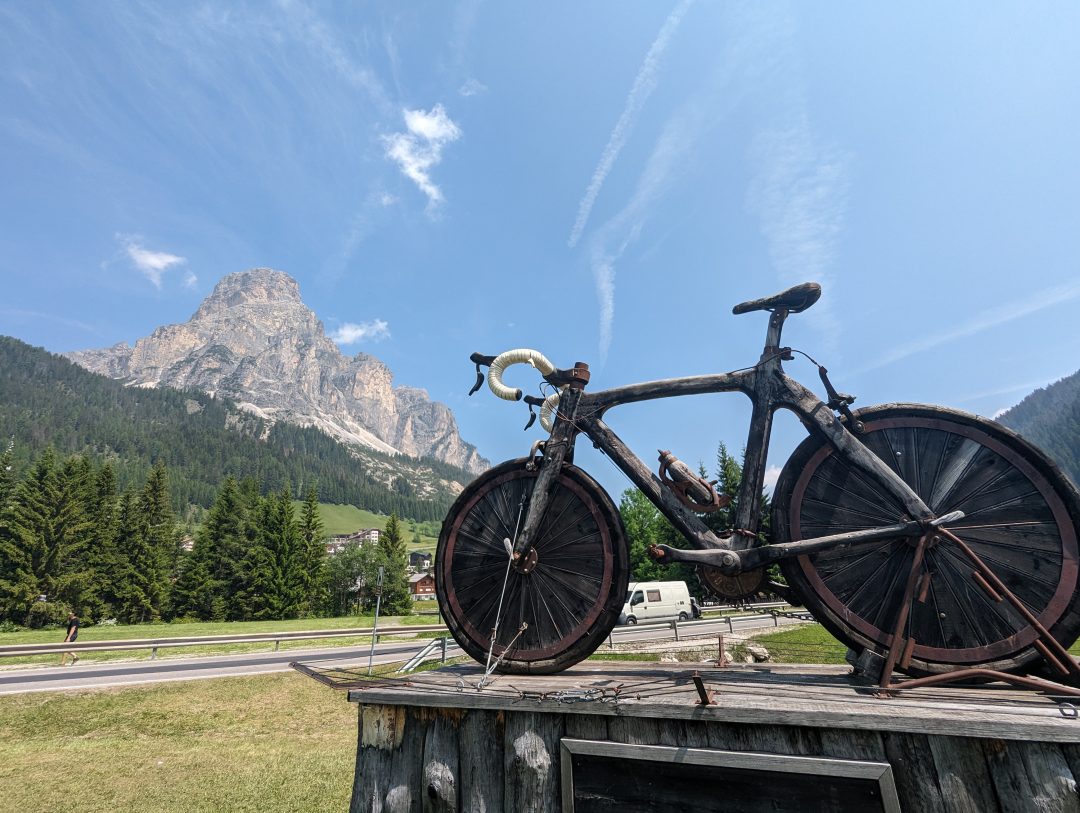
If you’re looking for a European mountain getaway, chances are you’ve seen content about the Swiss Alps, Dolomites, Tatras, and Julian Alps. These are all great spots that I’ve been lucky enough to visit, but depending on what you’re after, some are better than others. As I’ve been to the Julian Alps and the Dolomites, here’s where I think you should go.
Fundamentally, you want to look at accessibility, popular spots, cost, and crowd levels. I’ve compared the Dolomites and Swiss Alps in another post, and I’ve spoken about getting around the Polish side of the Tatras. So, let’s get into it.
Getting to the Dolomites vs. getting to the Julian Alps
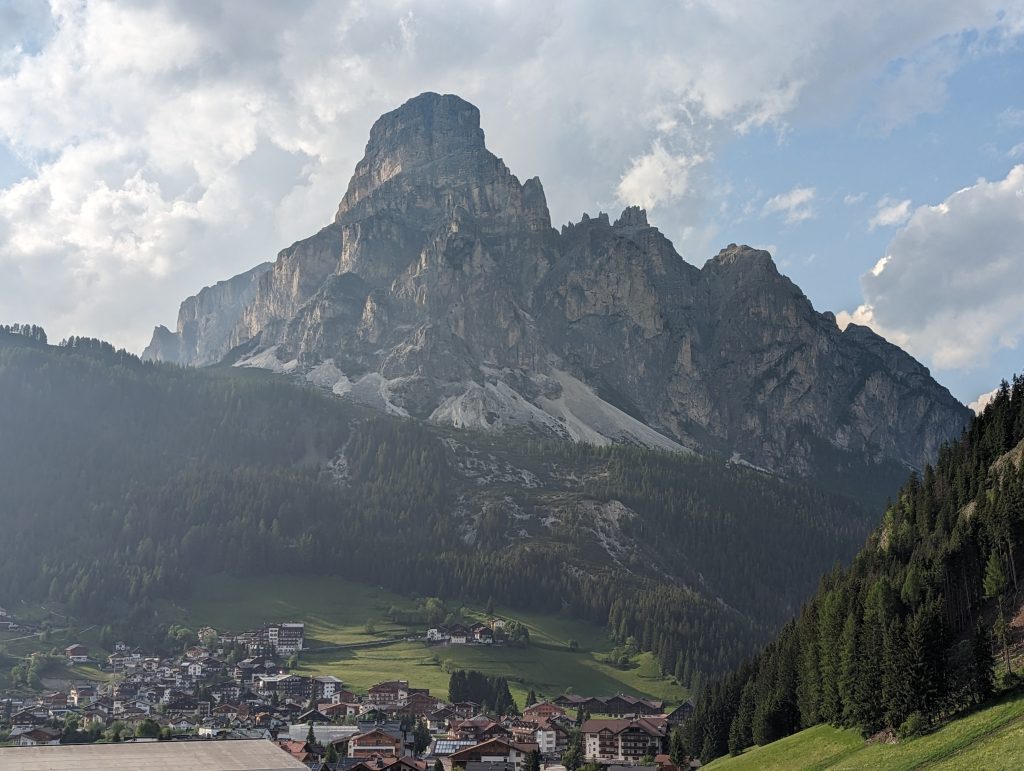
One of the first things you need to look at is how easy it is to get to these mountain hubs. By their remote nature, you’re unlikely to hop off a plane and be in the hiking regions. That being said, it might be quicker to reach the Julian Alps than the Dolomites, depending on your transport method.
Flight options
For the Dolomites, most people fly into Venice and drive around three hours up into the heart of the mountain region. There are a few options into Bolzano, which is the main city in the Dolomites, but not many, and they’re often with a premium price tag.
To get to the Julian Alps, you can either fly into Trieste, in neighbouring Italy, or into the capital of Slovenia, Ljubljana. Much like the Dolomites, the Julian Alps are pretty big, so it depends on which end you’re traveling to. If you’re staying in Bohinj, which is a popular base, it’s just over an hour from Ljubljana and just over two hours from Trieste.
Public transport
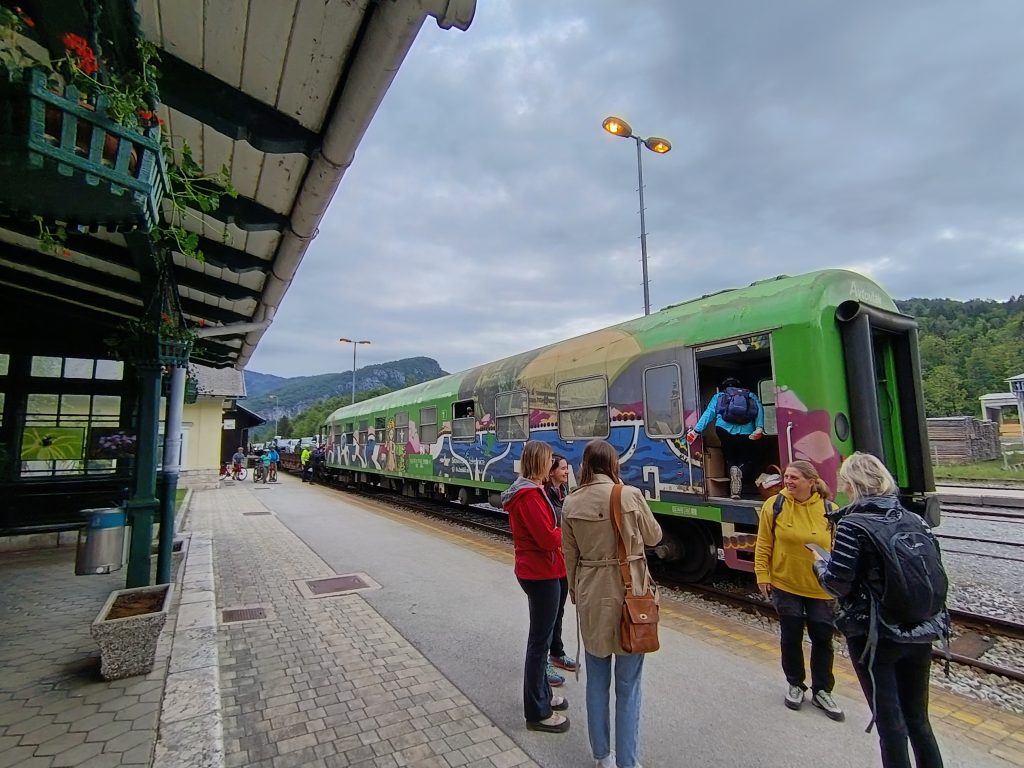
Getting the bus or trains from the nearest airports to the key towns and villages in either the Dolomites or Julian Alps can be tricky. FlixBus operates direct routes from Venice to Cortina for ease. There are also trains that go into Bolzano directly from Innsbruck, Munich, Venice, and around the Dolomites region, including Brixen and Trento.
Once there, you can use buses to get around specific valleys. However, buses between different valleys are less frequent. For example, the buses around Cortina, being the most popular region, are frequent. Similarly, buses in Alta Badia, another popular valley, frequently link the five villages and the trailheads. However, getting between the two on buses takes three and a half hours versus a 45-minute drive.
For the Julian Alps, you can get a direct train from Ljubljana to Bohinj, and there’s even a bike route that links the two. You can also take a direct train from Ljubljana to Kranjska Gora, on the other side of Triglav, which is where you can find the ski resorts. Internationally, there are direct trains to Ljubljana from Vienna, Salzburg, Munich, Stuttgart, Berlin, Zagreb, Rijeka, Budapest, and Zurich.
Once you’re in the Julian Alps, buses are the common way to get around, but they’re not super frequent in the off-season. You can get buses between Bohinj, Bled, Most na Soča (for the Tolmin Gorge), and Ljubljana, but you’ll need to change to reach Kranjska Gora from Bohinj. So, it depends on where you’re staying.
Driving and car hire
With mountain roads, drive times are a considerable undertaking. For both the Dolomites and the Julian Alps, it can take up to an hour to drive to popular trailheads from the “hiking towns”. Car hire costs are generally higher in the Dolomites than they are in the Julian Alps due to demand.
As it’s a lot busier now, parking in the Dolomites is becoming an issue. If you can, get the bus or train from Venice and base yourself in a town with multiple bus connections to different trails. Honestly, I’d advise the same for the Julian Alps, even though the parking situation is a lot better at the moment.
Cost of staying in the Dolomites vs. the Julian Alps
The prices in the Dolomites have shot up in recent years with their popularity. However, Slovenia is more expensive than a lot of people (myself included) expect. I was thinking it would be Polish or Balkan pricing, and it’s a lot more comparable to its Italian and Austrian neighbours.
So, while the Julian Alps are still cheaper than the Dolomites for accommodation, it’s not as cheap as you might think.
Accommodation options in the Dolomites
At the higher end of things in the Alta Badia region, you have Hotel La Perla. This family-run hotel has a Michelin-starred restaurant, incredible alpine spa, and a shuttle to take you to the trailhead. It comes at a premium price point, but it’s a world-class stay.
- Four-star option: Hotel Gran Paradis
- Three-star option: Hotel Miramonti
- Hostel option: Museo Ostello
Accommodation options in the Julian Alps
Most of the five-star luxury spots in the Julian Alps are around Lake Bled with spas, fine dining, and lakefront views. However, if you want to be closer to the hiking areas, focus on the 4-star options. Sunrose Seven is a boutique hotel with an incredible restaurant, small spa, and spacious rooms. The staff are also super helpful for recommending hikes and adventures.
- Four-star option: Sunrose Seven or Triangel Boutique Hotel
- Three-star option: Boutique Hotel Majerca
- Hostel option: Hostel LUKN’A or Hostel Kobarid
Crowd Levels
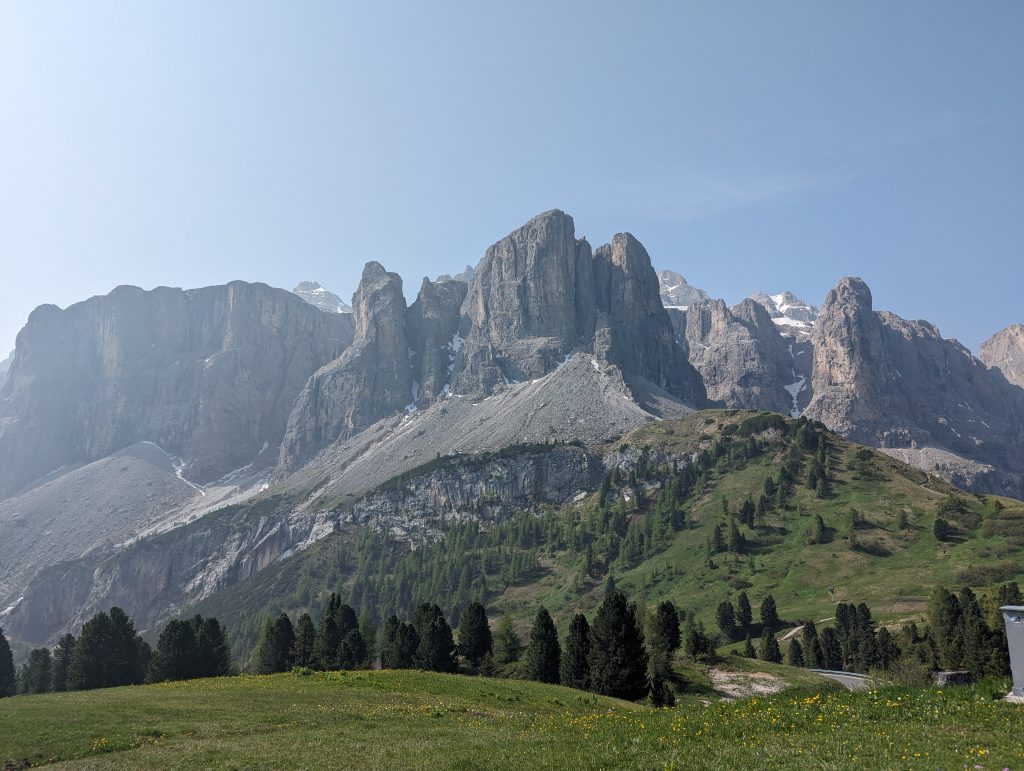
If you’re looking for quiet trails, then you should probably avoid the Dolomites. Online popularity has meant the crowd numbers here are getting insane. In fact, some locals are putting up pay-to-turnstiles to prevent overpopulation and damage to the trails.
While the Julian Alps are by no means quiet, the crowd levels are dramatically lower than the Dolomites. This means that there are usually more rooms available, space on buses, and you’re not battling twenty people for a viewpoint. I did a fairly popular viewpoint hike midweek in May, and I was the only one at the top.
Infrastructure and mountain huts
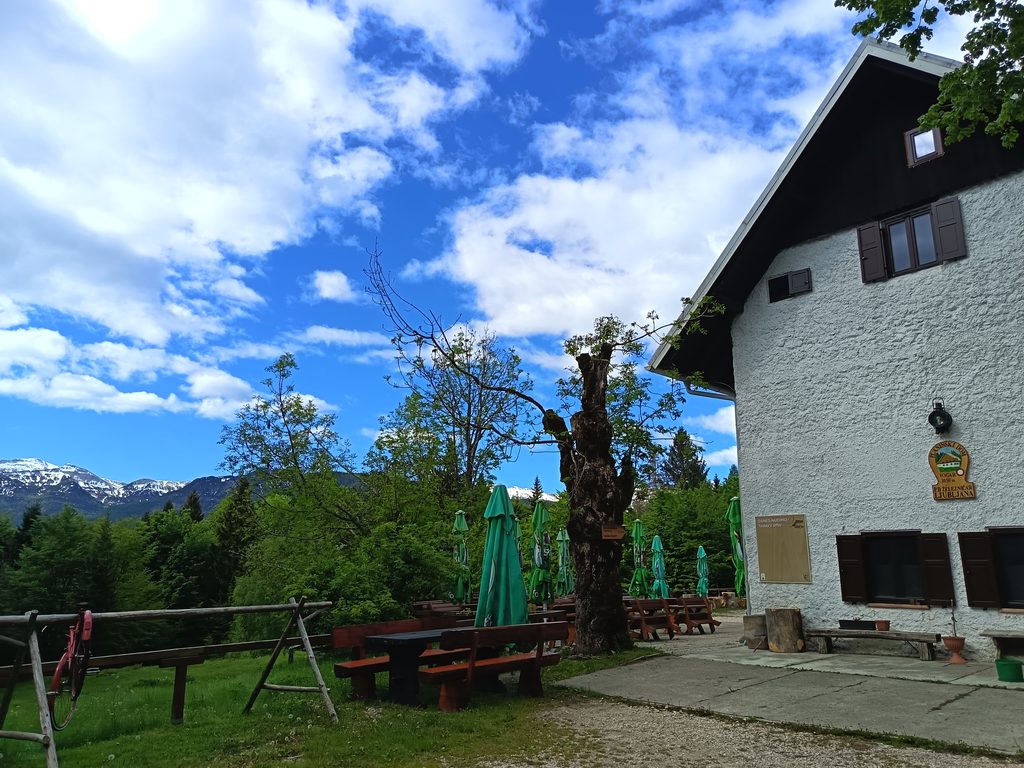
As it’s more popular, the infrastructure in the Dolomites is a bit more organised than in the Julian Alps. Public transport runs a little smoother; there are more shuttles and more tour companies. This can come in handy if you’re a solo traveller who doesn’t want to splurge on car hire. The Julian Alps aren’t far behind, but I found that I needed to plan in advance a little bit more for transport and logistics.
Both the Dolomites and Julian Alps have mountain huts that you can hike to, stay in, and eat at. The refugios in the Dolomites are super popular for multi-day hikes and for lunch. I’ve had some excellent alpine food and wine before descending back down through picturesque valleys.
For the Julian Alps, there are 38 mountain huts in the Triglav National Park alone. Again, you can book a stay in advance or come for a bite to eat. They’re usually open from June to September at the higher altitudes, but some are open longer for the heli-skiing season.
Should you go to the Dolomites or the Julian Alps?
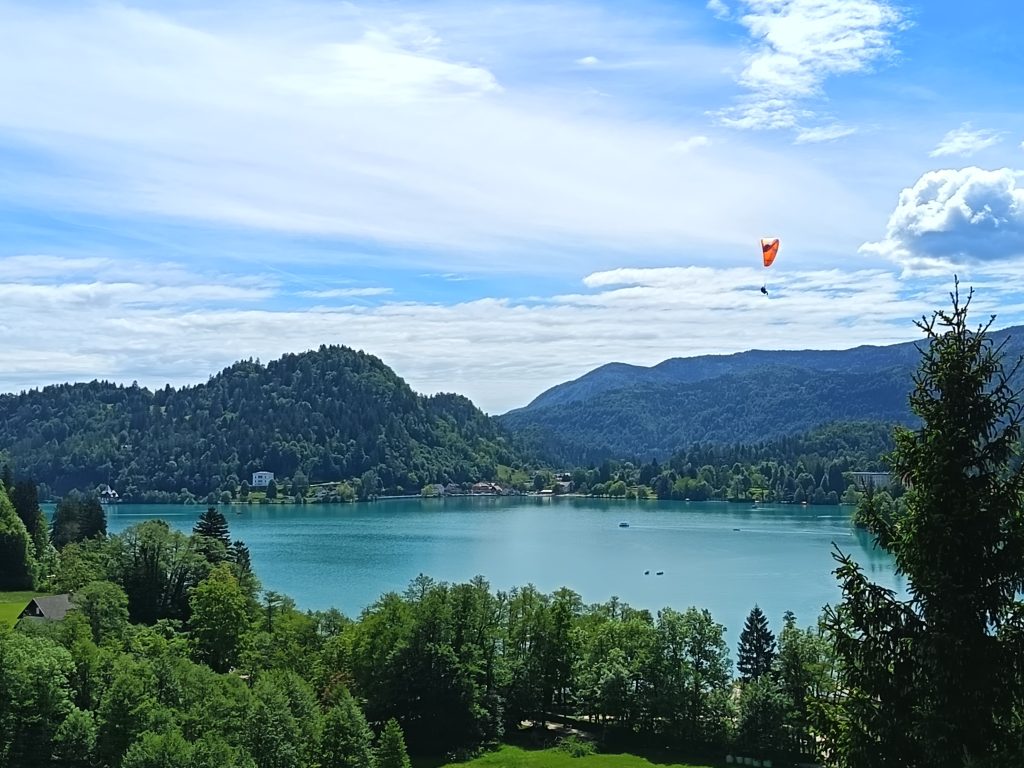
The big question is, “Should you go to the Dolomites or the Julian Alps?” and the answer is entirely up to you. At the moment, I’d recommend the Julian Alps over the Dolomites purely based on cost and crowd levels. The overpopulation of smaller hiking towns and villages in northern Italy is causing a lot of issues for locals and trail conditions.
While the Julian Alps may take more planning to get around, it’s a fantastic option with plenty of incredible hikes, lakes, and gorges to climb or whitewater raft in. With plenty of trains across Europe heading to Slovenia, it’s definitely getting more accessible, and once you’re there, everything is pretty close.
There are huge similarities between the two areas, and in a lot of ways, the Julian Alps are like the Dolomites were around five years ago, before it blew up. It’s a stunning mountain region, with history, great food, fantastic hospitality, and a four-season adventure setup.
